-
Keinukytkin on kompakti ja helppokäyttöinen manuaalinen ohjauskomponentti. Sen ainutlaatuinen rocker-tyylinen käyttötoiminto yhdistettynä vaihto- tai hetkellisen palautustoimintoon mahdollista...View More >>
-
Mikrokytkin on pieni mekaaninen kytkin, jossa on nopea toimintamekanismi ja jota käytetään laajalti kodinkoneissa, teollisuusautomaatiossa, autoelektroniikassa, lääketieteellisissä laitteissa...View More >>
-
Painikekytkimiä käytetään laajalti erilaisissa ohjausjärjestelmissä erilaisilla rakenteellisilla rakenteillaan, lujalla materiaalivalikoimallaan ja erinomaisella suorituskyvyllään. Tuotteit...View More >>
-
Pianon näppäinkytkimen sisäinen rakenne on enimmäkseen mekaaninen tai kevyt. Jotkut huippuluokan mallit käyttävät kapasitiivista anturitekniikkaa kontaktittoman toiminnan saavuttamiseksi, mi...View More >>
-
Vauvanvaunujen vaihdekytkin on yrityksemme itsenäisesti kehittämä innovatiivinen tuote. Olemme hakeneet keksintöpatentteja sekä kotimaassa että kansainvälisesti, mikä osoittaa täysin yrity...View More >>
-
Nuppikytkimessä on erittäin herkkä pyörivä kosketinrakenne, joka toimii sujuvasti ja sijoittuu selkeästi, mikä varmistaa, että jokainen säätö on tarkka. Tuotteella on erinomainen kestäv...View More >>
-
KM-liipaisinkytkin on yleiskäyttöinen suurvirtakytkin, joka on suunniteltu suuritehoisille sähkötyökaluille, jolla on erinomainen virransiirtokapasiteetti ja vakaa suorituskyky. Sisäinen pika...View More >>
-
Oven ohjauskytkin, joka tunnetaan myös oven magneettikytkimenä tai oven tila-anturina, on keskeinen sähkökomponentti, jota käytetään laajalti teollisuuden ohjauksessa, turvajärjestelmissä,...View More >>
-
Johdinsarja on yleinen johdotuskokoonpano, joka yhdistää useita johtoja, kaapeleita, liittimiä ja liittimiä erityisten sähkösuunnittelun ja mekaanisten rakennevaatimusten mukaisesti. Sitä k...View More >>
-
PCB-ohjauskortti on yksi nykyaikaisten elektronisten laitteiden välttämättömistä ydinkomponenteista. Ohjausjärjestelmän aivona sitä käytetään laajalti monilla aloilla, kuten teollisuusau...View More >>


 FI

UUTISET
 Kotiin / Uutiset / Teollisuuden uutisia / Pianon näppäinkytkimien selitys: mitä ne ovat ja miksi niillä on merkitystä soittamisellesi
Pianon näppäinkytkimien selitys: mitä ne ovat ja miksi niillä on merkitystä soittamisellesi
 2026.08.25
 Teollisuuden uutisia
Mitä pianon avainkytkimet todella ovat?
If you've ever pressed a key on a digital piano or a high-end keyboard and felt that smooth, weighted resistance before the note sounds, you've experienced pianon avainkytkimet at work. These are the mechanical or electro-mechanical components hidden beneath each key that detect your press and translate it into an electrical signal. Unlike the simple membrane switches found in cheap keyboards, piano key switches are engineered to mimic the touch and response of an acoustic piano's hammer action, giving players a more natural, expressive playing experience.
The term "piano key switches" can refer to a few different things depending on context — the sensor mechanism under each key of a digital piano, the mechanical switches used in piano-style keyboard controllers for music production, or even novelty mechanical keyboard switches designed to replicate a piano-like tactile feel for typing. In this article, we'll break down how these switches work, the main types you'll encounter, and what to look for when choosing gear that uses them.
Kuinka pianon näppäinkytkimet todella toimivat
At the core of every piano key switch is a simple goal: detect when a key is pressed, how hard it's pressed, and sometimes how fast it's released. Useimmat digitaaliset pianot käyttävät kahden tai kolmen kosketuspisteen järjestelmää kunkin koskettimen alla. As you press down, the key passes through these contact points in sequence, and the time gap between triggering each one is measured electronically. This gap tells the instrument how quickly you struck the key, which is then translated into velocity — the loudness and tonal character of the note.
Nopeussensorin rooli
Nopeustunnistin erottaa todellisen pianon avainkytkinjärjestelmän perusnäppäimistön on/off-kytkimestä. Hellävarainen painallus tuottaa pehmeän, pehmeän äänen, kun taas nopea, voimakas painallus tuottaa kovemman ja kirkkaamman äänen – aivan kuten akustisella pianolla. This is why piano key switches typically use multiple sensor points rather than a single contact, since one point can only tell you that a key was pressed, not how expressively it was played.
Painotettu toiminta ja mekaaninen tunne
Sähköisen tunnistuksen lisäksi monet pianon näppäinkytkimet on yhdistetty painotetun vasaramekanismin kanssa. Tämä lisää fyysistä vastustusta jokaiseen näppäinpainallukseen, mikä jäljittelee akustisen pianon sisävasaroiden kielen iskemistä. The combination of weighted resistance and multi-point sensing is what makes a digital piano feel "real" under the fingers rather than springy or hollow like a synthesizer keyboard.
Yleisimmät pianon näppäinkytkimien tyypit
Ei kaikki piano key switches rakennetaan samalla tavalla. Valmistajat käyttävät erilaisia anturitekniikoita laitteen hintapisteestä ja käyttötarkoituksesta riippuen. Tässä on erittely yleisimmistä tyypeistä, joita kohtaat.
- Kumikupukytkimet – edullisia ja yleisiä lähtötason näppäimistöissä, tarjoavat perusnopeudentunnistuksen pehmeällä kosketuskuorella.
- Optiset avainkytkimet – käytä infrapunavalosäteitä fyysisten kontaktien sijaan, mikä johtaa tasaisempaan toimintaan ja vähemmän kulumiseen ajan myötä.
- Triple-sensor switches – found in higher-end digital pianos, these use three contact points per key for extremely accurate velocity and repetition detection.
- Graded hammer switches – combine mechanical weighting with electronic sensing, giving heavier resistance on lower keys and lighter resistance on higher keys, just like an acoustic piano.
- Mechanical keyboard-style piano switches – used in some MIDI controllers and novelty typing keyboards, these borrow tactile or linear switch designs from the mechanical keyboard world but shape the keycap to resemble piano keys.
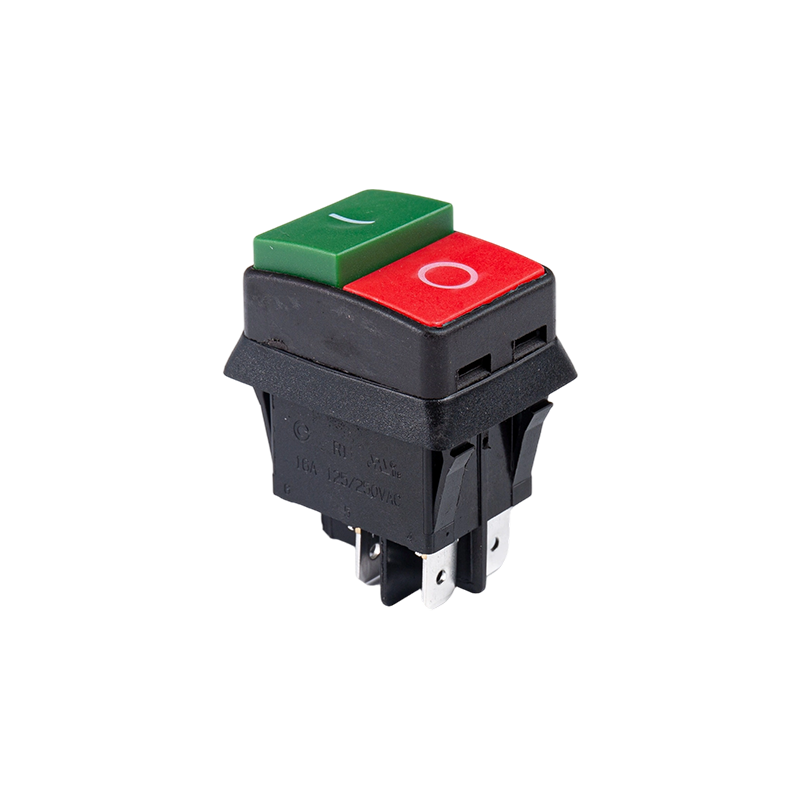
Pianoavainkytkintyyppien vertailu
To help you understand the practical differences between switch types, here's a side-by-side comparison covering feel, durability, and typical use cases.
| Kytkimen tyyppi | Tunne | Kestävyys | Paras |
| Kumikupoli | Soft, springy | Kohtalainen | Aloittelijat, budjettinäppäimistöt |
| Optinen | Tasainen, johdonmukainen | Korkea | Keskitason digitaaliset pianot |
| Kolminkertainen anturi | Tarkka, ilmeikäs | Korkea | Edistyneet pelaajat, lavapianot |
| Arvosteltu vasara | Realistinen, painotettu | Korkea | Klassinen koulutus, kotipianot |
| Mekaaninen tyyli | Tunteva tai lineaarinen napsautus | Erittäin korkea | MIDI-ohjaimet, uutuuskirjoitus |
Miksi kytkimen laatu on tärkeämpää kuin luuletkaan
It's easy to overlook the switch mechanism when shopping for a digital piano, especially since most buyers focus on sound quality, speaker wattage, or app connectivity. Mutta näppäinten alla olevat kytkimet vaikuttavat suoraan siihen, kuinka ilmeikäs ja nautinnollinen soitin on soittaa. A poor switch system can make even a beautifully sampled piano sound flat and lifeless, because the instrument fails to capture the nuance of your touch.
Vaikutus pelitekniikkaan
Piano students in particular benefit from high-quality graded hammer switches, since these help build proper finger strength and technique that transfers to acoustic pianos. Practicing on a keyboard with poor switch response can actually create bad habits, since the player never learns to modulate their touch for dynamic control.
Vaikutus pitkäikäisyyteen ja luotettavuuteen
Kytkimen laatu vaikuttaa myös instrumentin kestoon. Optical and mechanical-style switches tend to resist wear far better than rubber dome designs, since there's no physical contact degrading over time. If you're buying an instrument for heavy daily use, such as in a teaching studio or for gigging musicians, investing in a keyboard with more durable switch technology pays off in the long run.
Vinkkejä instrumentin valintaan kytkintyypin perusteella
When you're evaluating digital pianos or MIDI controllers, it helps to physically test the keys whenever possible rather than relying solely on spec sheets. Tässä on muutamia käytännön vinkkejä päätöksentekoon.
- Toista sekä pehmeitä että kovia kohtia testataksesi, tuntuuko nopeusvaste luonnolliselta koko dynaamisella alueella.
- Tarkista asteittainen painotus vertaamalla basson ja diskantin näppäinten vastusta.
- Kuuntele liiallista kolinaa tai kohinaa, jotka voivat viitata huonompilaatuisiin kytkinmekanismeihin.
- Ask about the sensor type used, since manufacturers often list this in product specifications under terms like "tri-sensor" or "hybrid hammer action."
- Consider your use case — a stage performer may prioritize durability and repetition speed, while a beginner may prioritize comfort and affordability.
Pianoavainkytkimien ylläpito pitkäaikaista suorituskykyä varten
Jopa parhaat pianon näppäinkytkimet vaativat jonkin verran huolellisuutta pysyäkseen herkästi toimivina vuosien ajan. Pöly, kosteus ja yleinen kuluminen voivat vaikuttaa anturin tarkkuuteen, mikä johtaa tarttuviin näppäimiin, epätasaiseen dynamiikkaan tai huomaamatta jääneisiin muistiinpanoihin. Keeping your instrument in a stable environment, away from direct sunlight and humidity swings, goes a long way toward preserving switch performance.
Myös säännöllinen puhdistus on tärkeää. Gently wiping down keys with a slightly damp cloth and avoiding liquid spills near the key bed can prevent debris from interfering with the internal contacts or optical sensors. If you notice a key becoming unresponsive or inconsistent, it's worth having a technician inspect the switch assembly rather than ignoring the issue, since early intervention is usually far cheaper than a full key mechanism replacement.


A Laitteiden kytkimien valmistaja joka on keskittynyt Kytkimien kehittämiseen, tuotantoon ja myyntiin 21 vuoden ajan;
Tuotteet Linkit
Yhteystiedot
Puh: +86-021-33752188
Puhelin: +86-15902103688
Sähköposti: [email protected]
[email protected]
[email protected]Osoite: No. 580 Shenzhou Road, Fengxian District, Shanghai, Kiina
Tekijänoikeus © Shanghai Qijia Electronics Co., Ltd. Electronic Switches Suppliers

